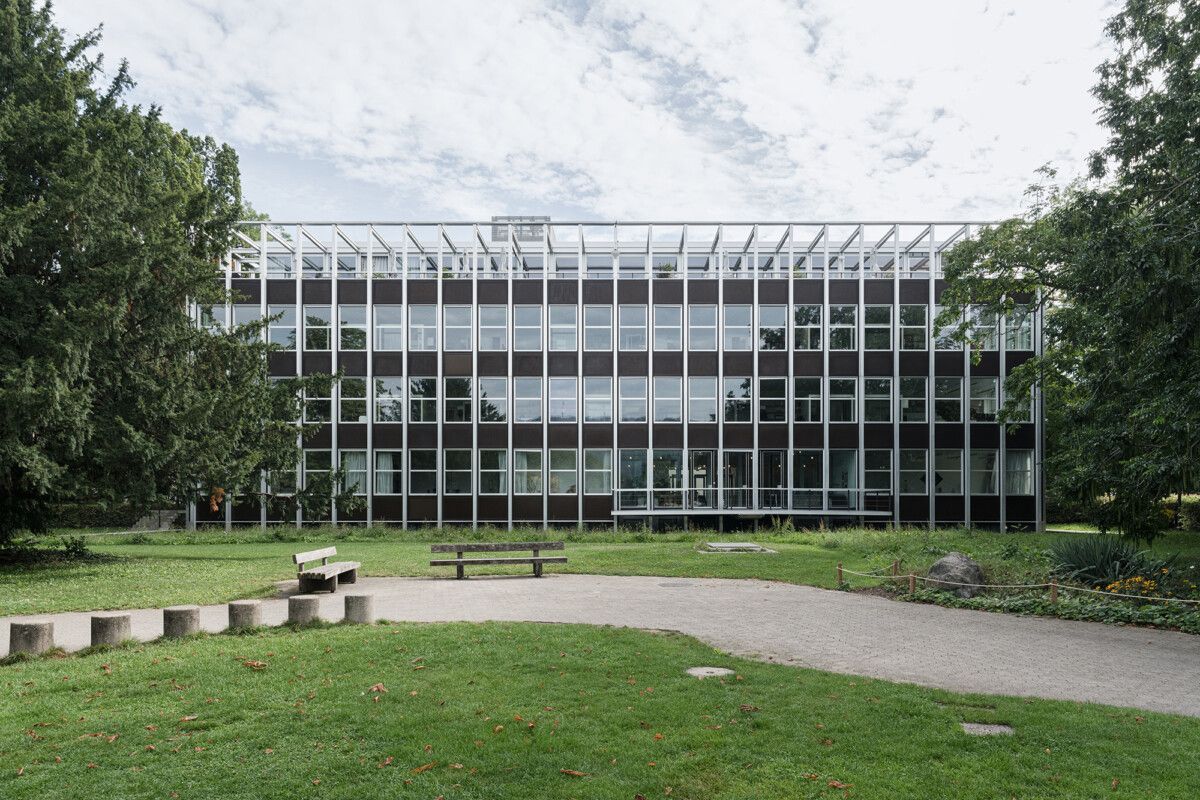
The former Alusuisse Building on Zurich’s Seefeldquai is an icon of Swiss architecture. Designed in 1956 by architect Hans Hoffmann, it was the first steel-and-glass office building in Switzerland. Despite its prime location, the building had stood empty for several years. Architect and designer Stephan Hürlemann and his team have now brought it back to life, creating a contemporary work home for the law firm Pestalozzi. Once again, the building fulfills its original purpose as a place for intellectual work.
The design challenge lay in integrating the requirements of a modern law firm into the listed building fabric while adhering to the strictest fire safety regulations.
«The key question was how to meet Pestalozzi’s needs while preserving the building’s identity,» says Stephan Hürlemann.
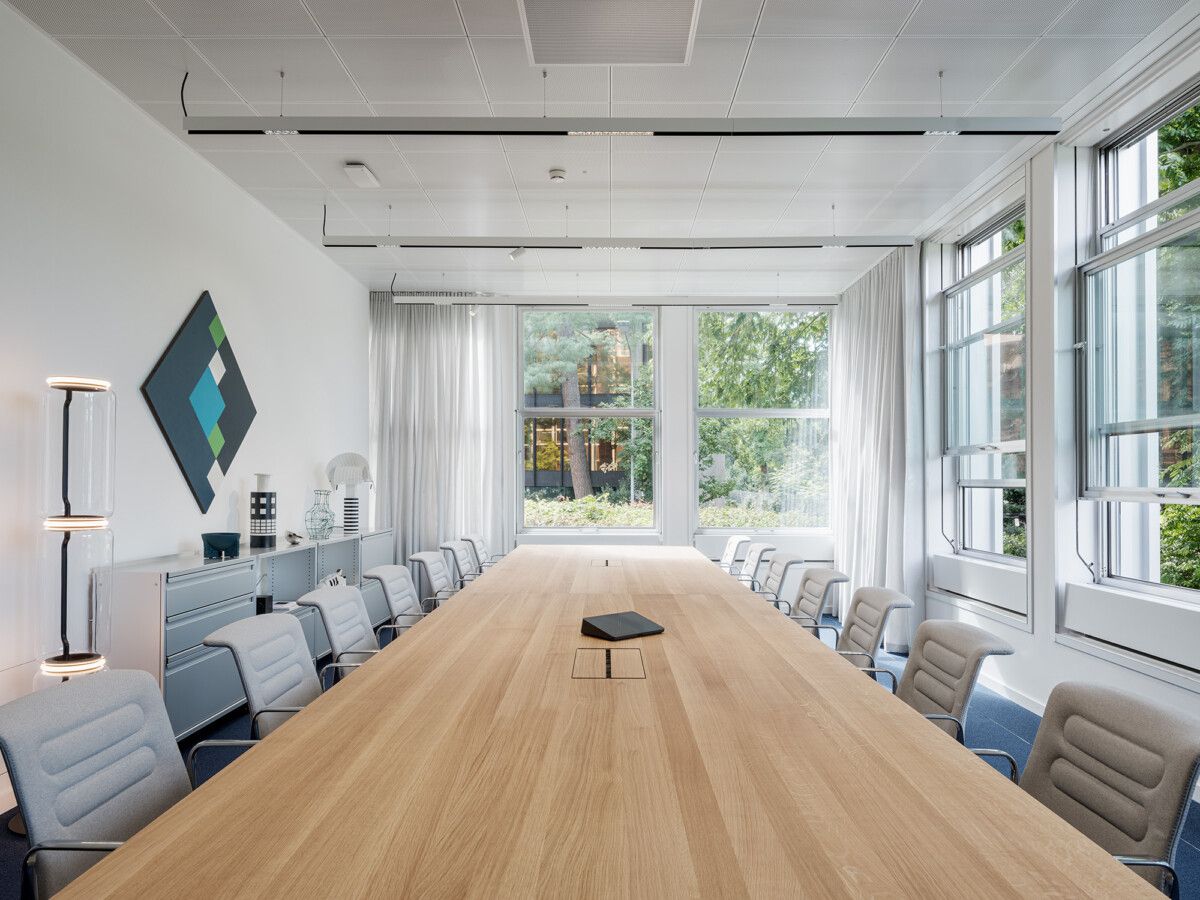
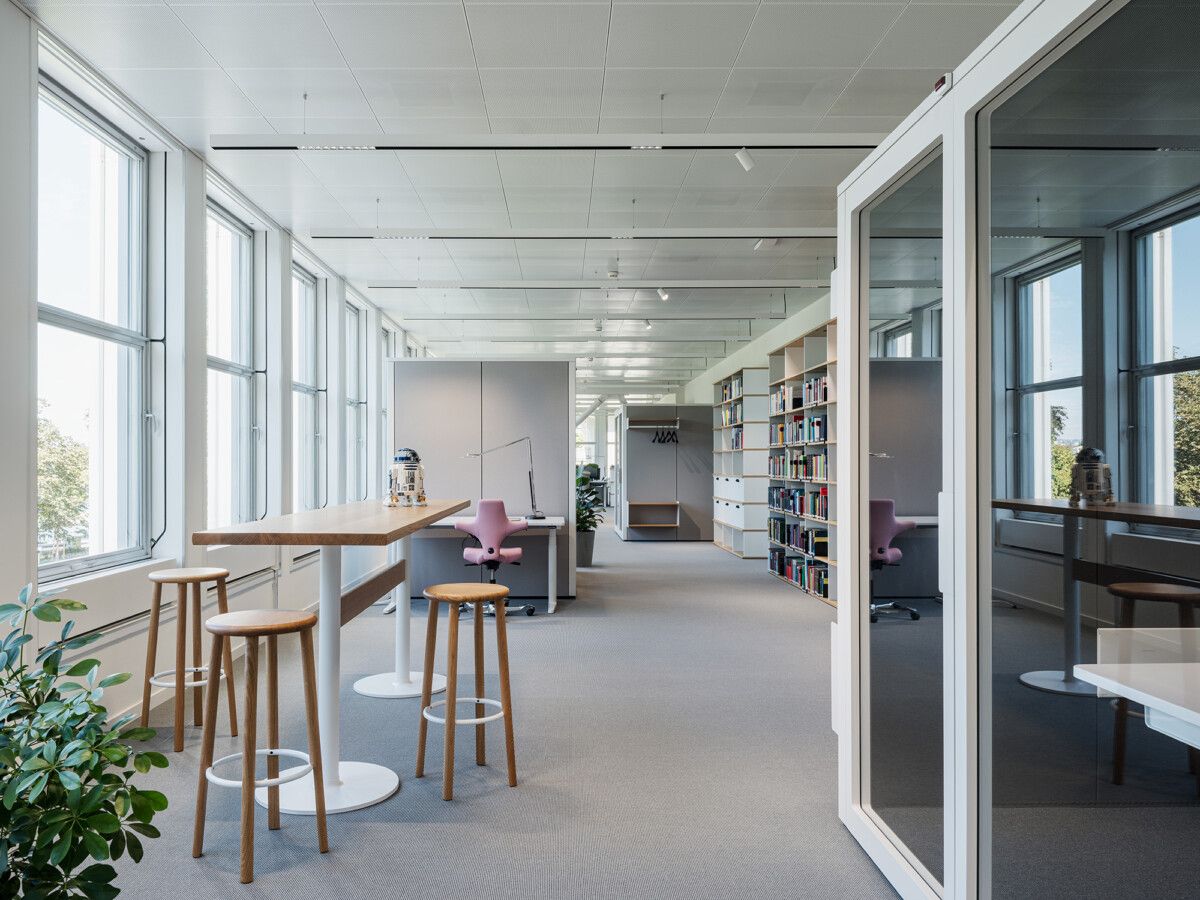
The concept pays tribute to the building’s history. Wherever structural interventions were necessary (and permitted), the existing architecture was complemented rather than altered. On a total area of 3,250 m², Hürlemann designed a diverse work environment for 120 lawyers — including representative public areas, communal zones, focus rooms, and spaces for exchange and relaxation.
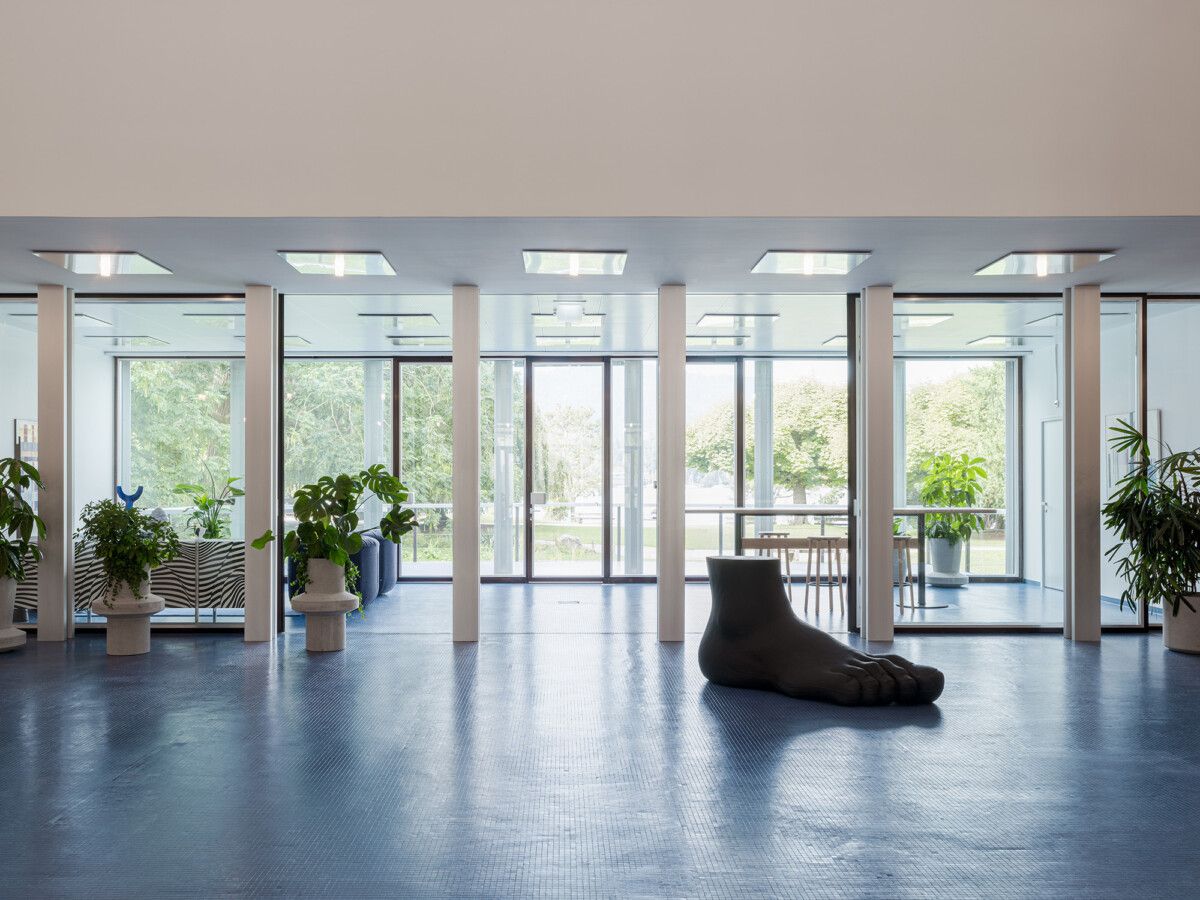
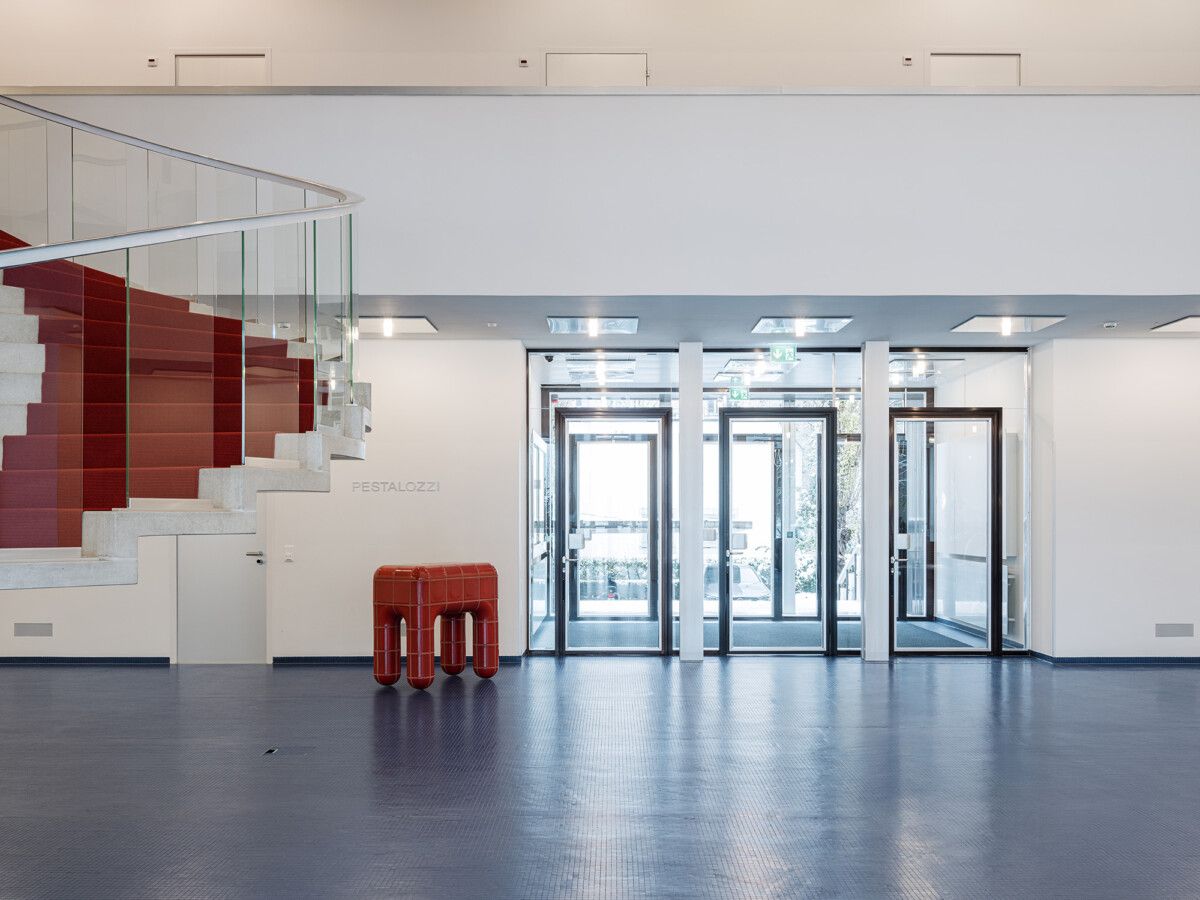
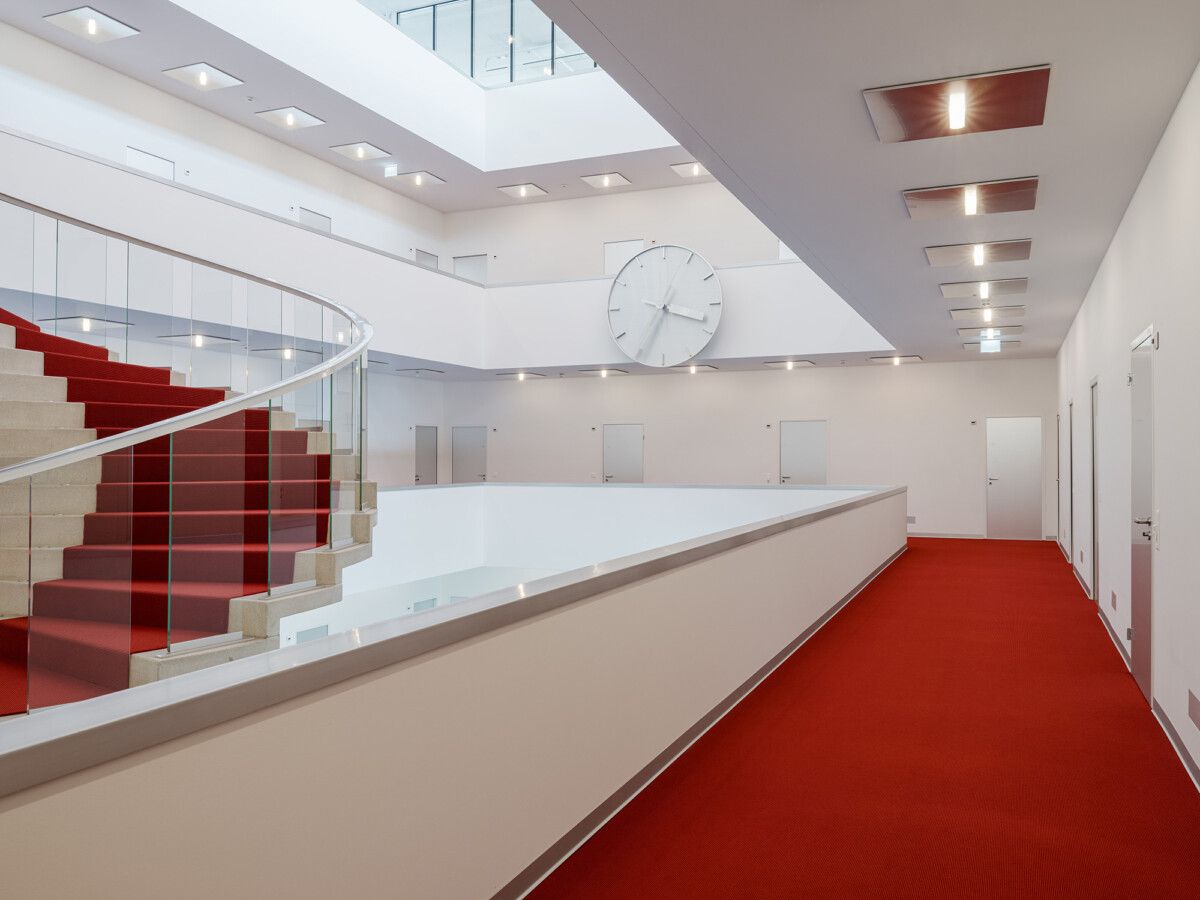
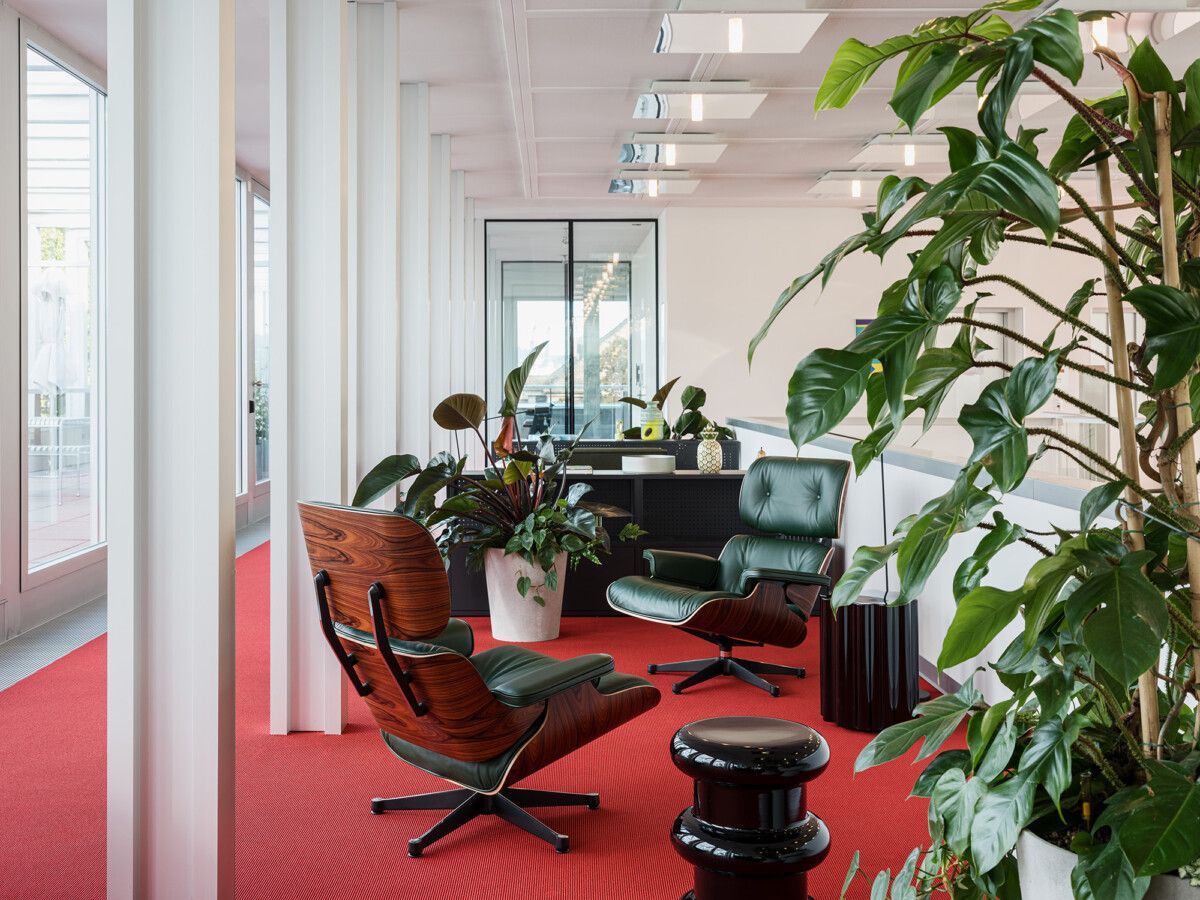
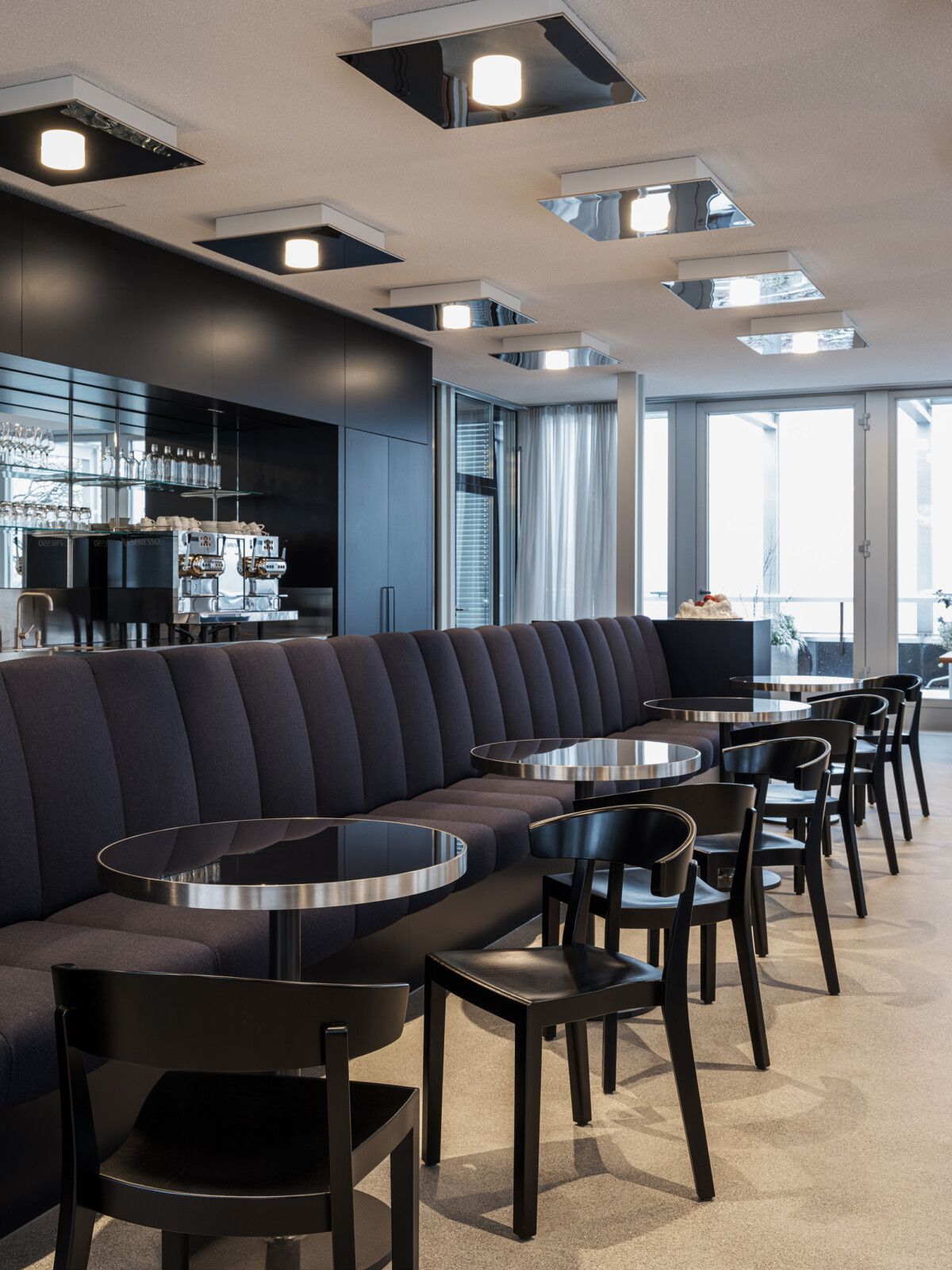
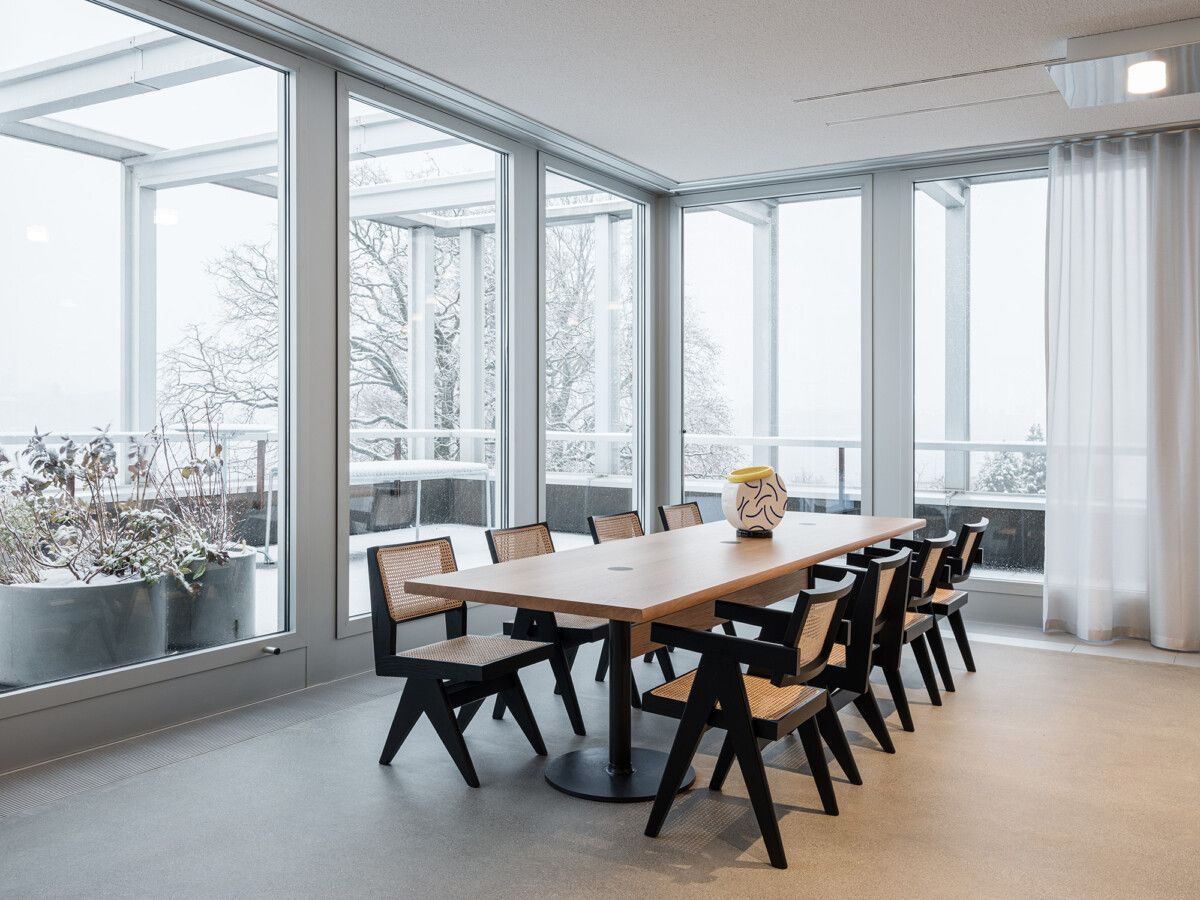
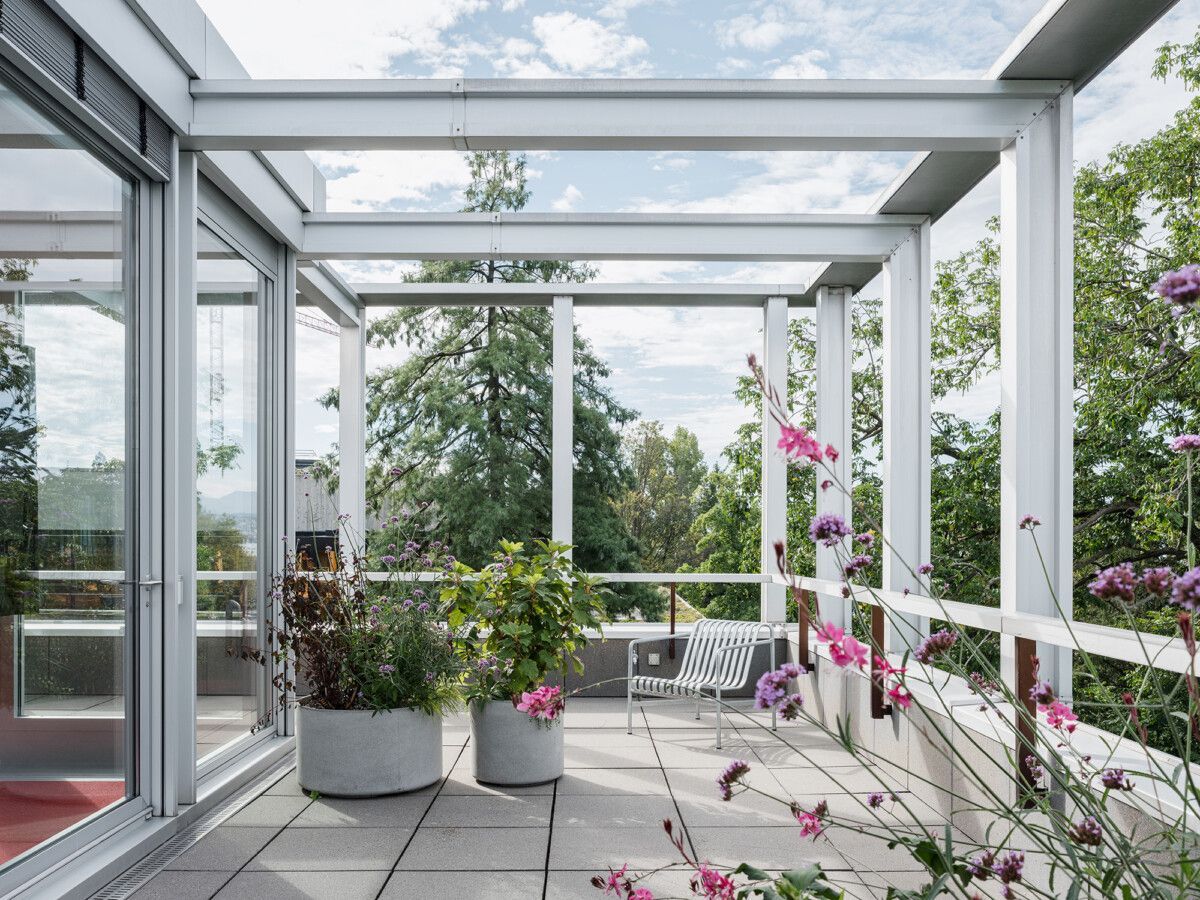
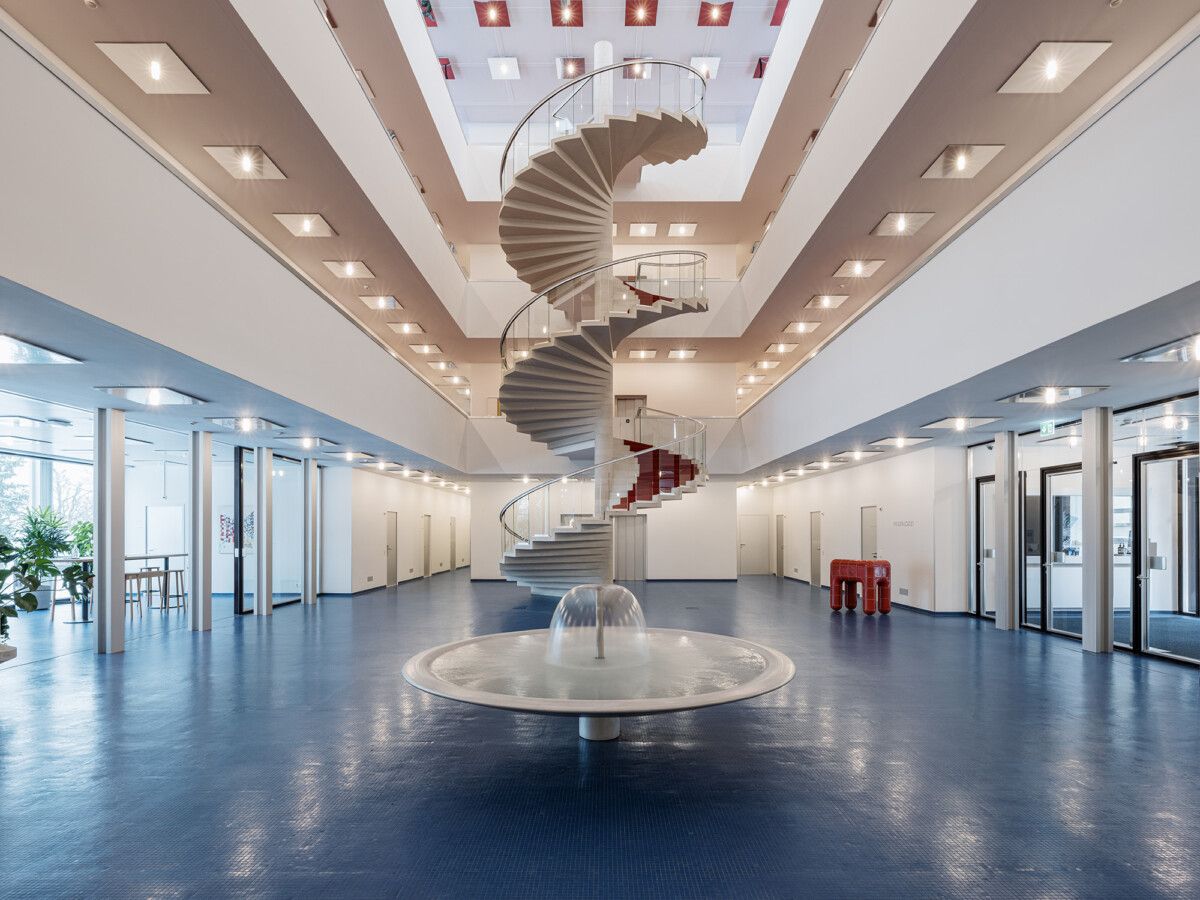
The entrance hall, with its historic fountain and impressive spiral staircase, was enhanced with just a few key elements. At its center stands a reception desk designed by Hürlemann, made of red ceramic tiles — a confident statement within the setting. Throughout the building, the interplay of old and new creates a compelling tension. Meeting rooms, the garden bistro, the cafeteria, the work lounge, and the planted terrace are all framed by the original aluminum windows, doors, and columns.
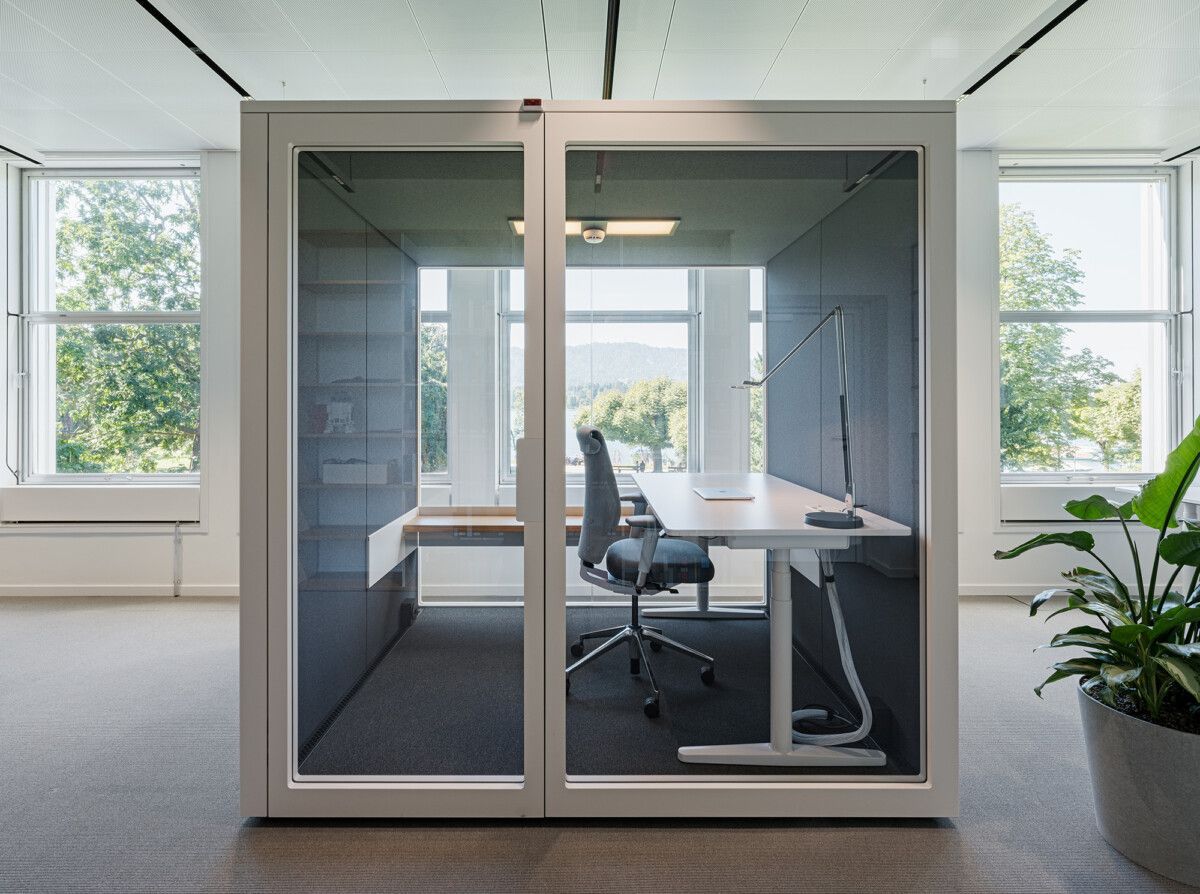
One of the most innovative aspects of Pestalozzi’s new workplace is the shift away from individual offices. Most lawyers now work in dynamic shared zones, retreating to modular, soundproof boxes for focused work or confidential discussions.
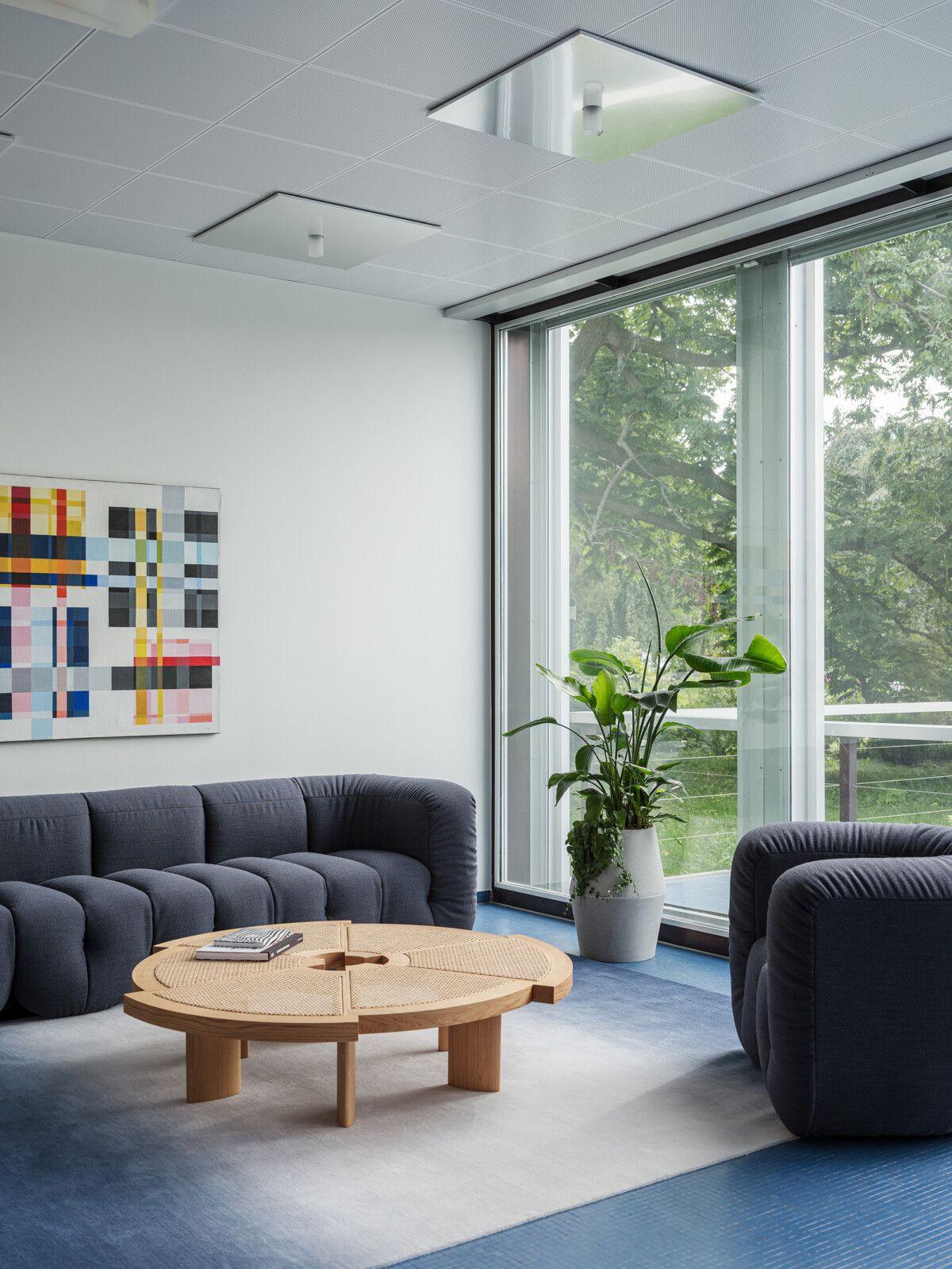
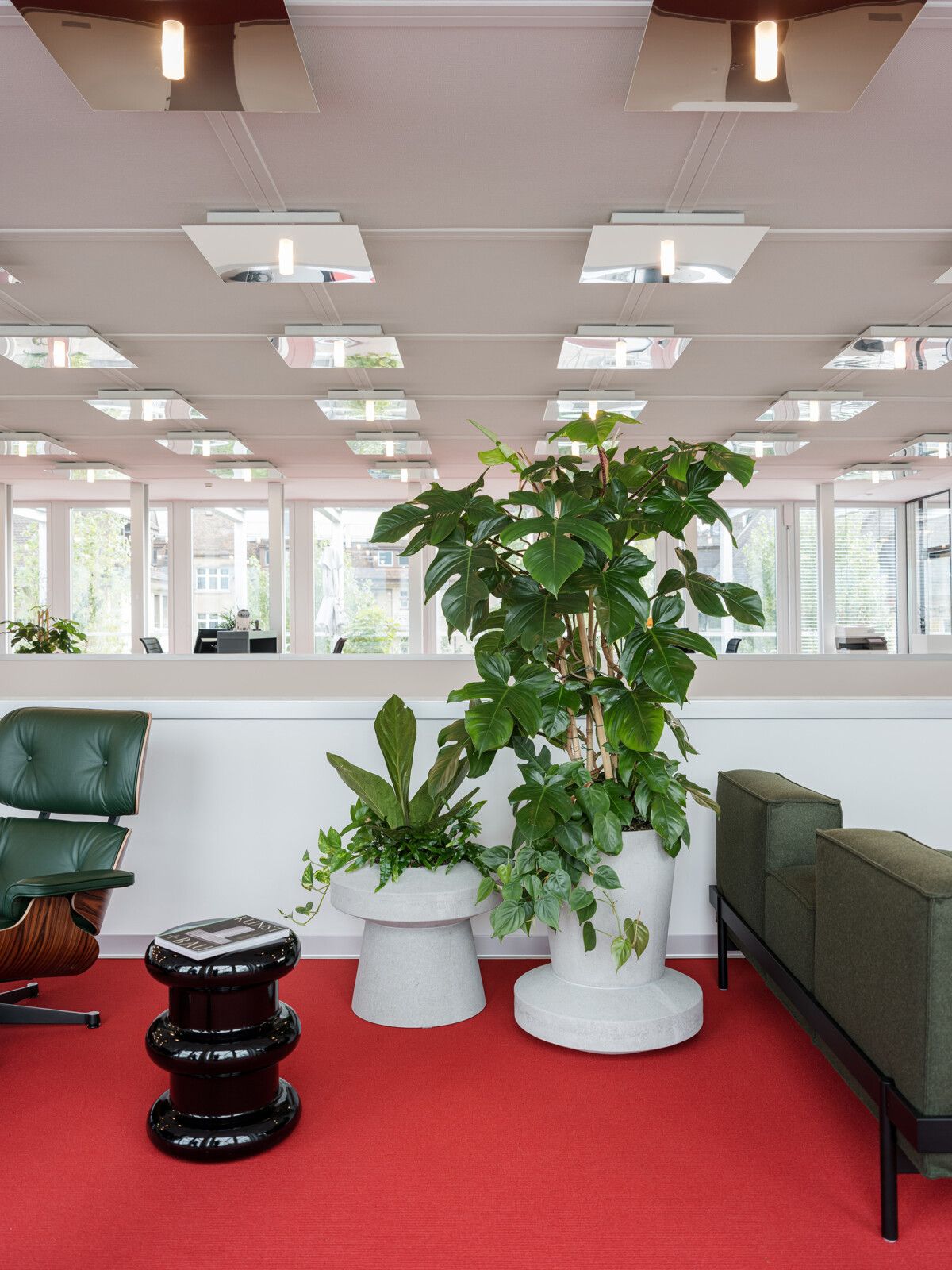
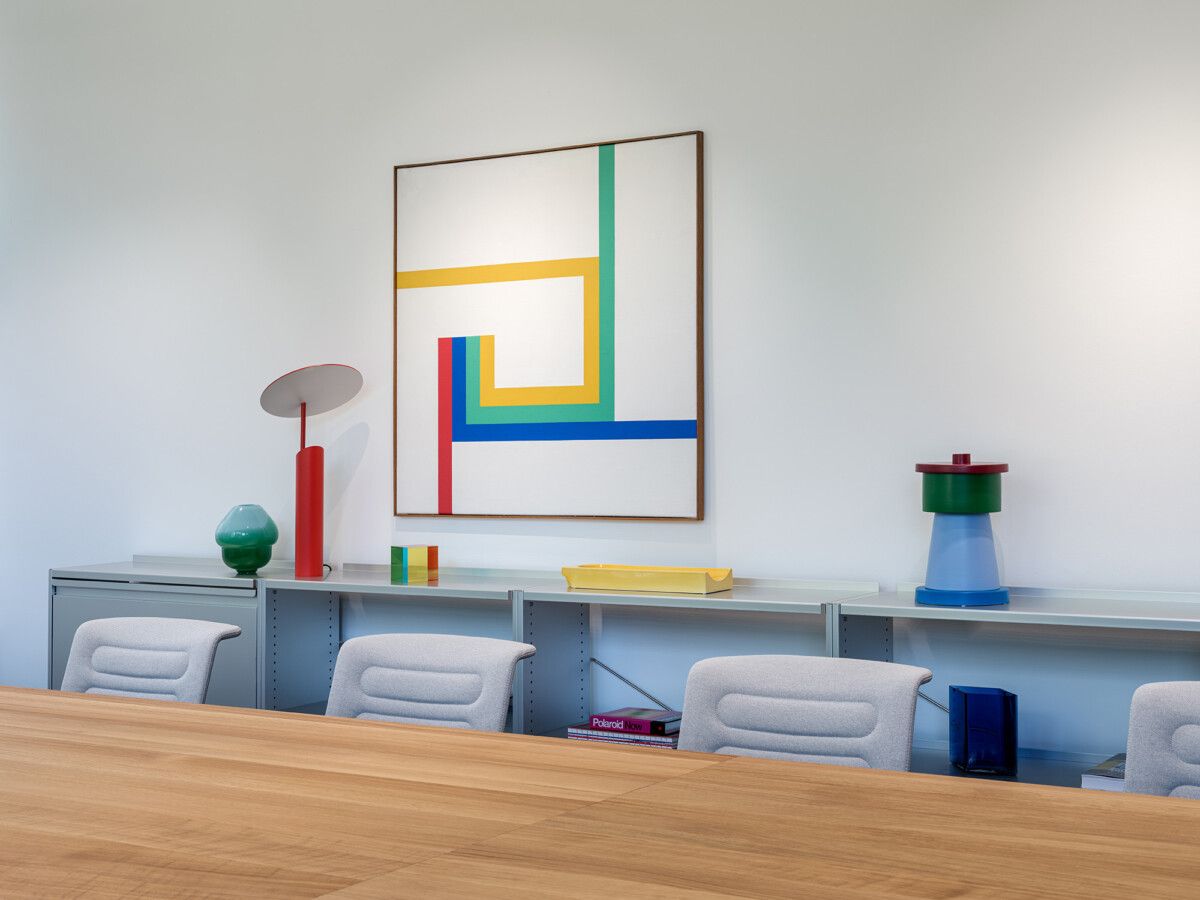
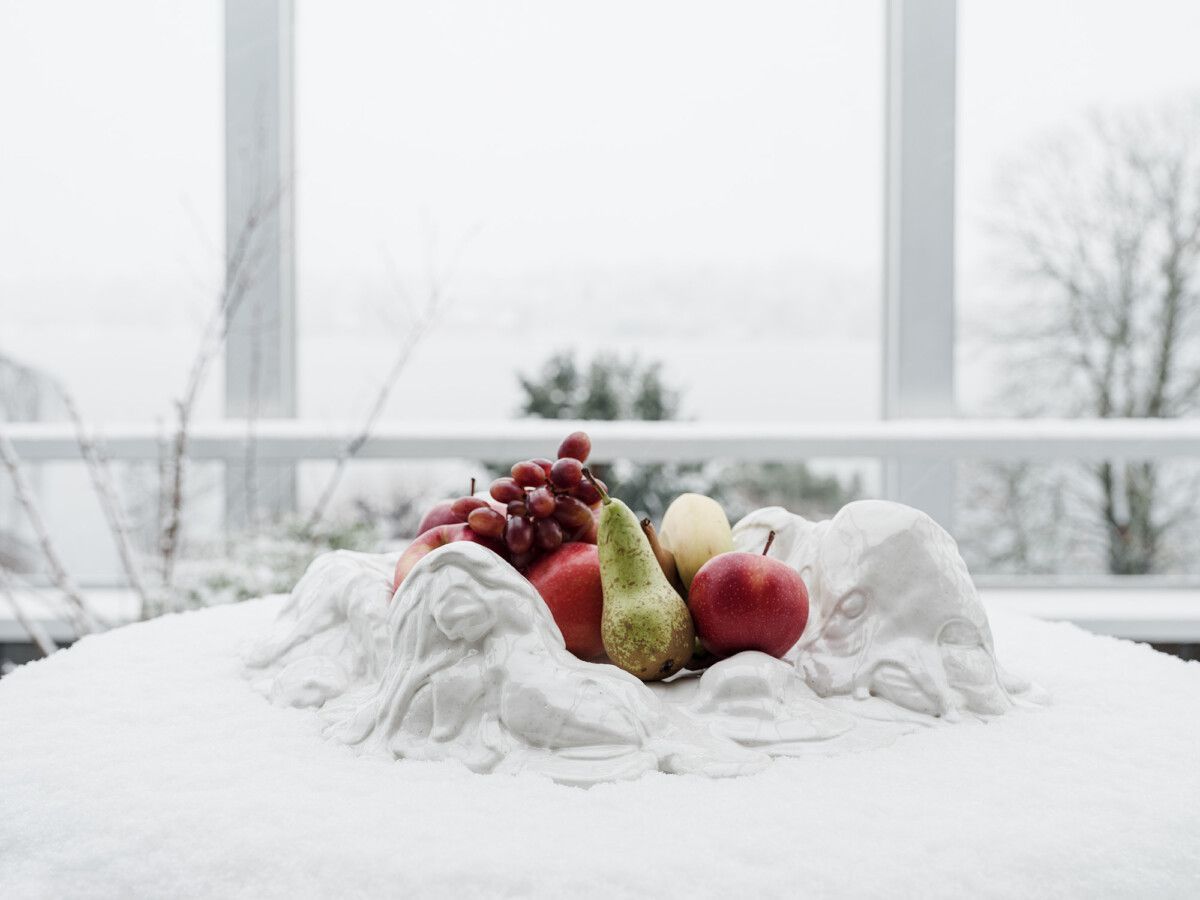
The interior furnishings combine design classics from past decades with progressive contemporary pieces. Standing and bistro tables were designed by Stephan Hürlemann himself. Bold color accents complement the building’s listed color scheme — with its red carpets, blue mosaic floors, and matte silver metal elements. Throughout the space, decorative collector’s items add visual anecdotes, engaging in dialogue with the architecture and imbuing the historic building with a new vitality.
Photos: Beat Bühler Fotografie